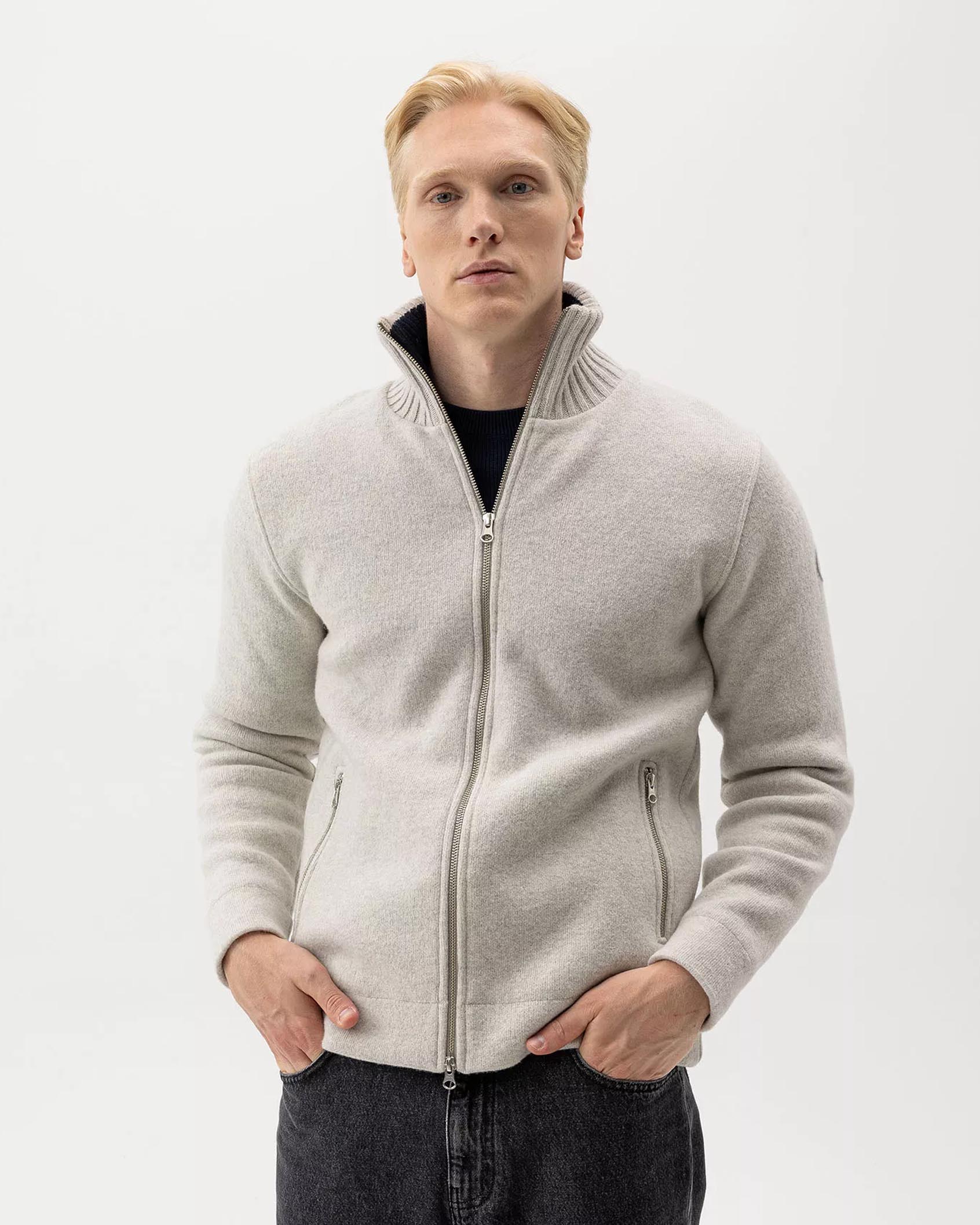
Sustainable Fashion: Why Ethical Clothing Matters in 2026

Sustainable Fashion: A Growing Movement
Consumers are becoming more conscious about where their clothing comes from and how it impacts the environment. Sustainable fashion focuses on creating clothing that is environmentally friendly and ethically produced.
What is Sustainable Fashion?
Sustainable fashion involves:
- Ethical manufacturing
- Eco-friendly materials
- Fair labor practices
- Reduced waste production
Popular Sustainable Fabrics
Organic Cotton
Uses fewer chemicals and less water than conventional cotton.
Recycled Polyester
Made from recycled plastic materials, reducing landfill waste.
Hemp Fabric
Strong, durable, and environmentally friendly.
Tencel
Produced from sustainably sourced wood pulp with minimal environmental impact.
Benefits of Sustainable Fashion
Environmental Protection
Reduces pollution, waste, and carbon emissions.
Better Quality Clothing
Sustainable garments are often designed to last longer.
Ethical Production
Supports fair wages and safe working conditions for workers.
How Consumers Can Help
- Buy fewer, higher-quality pieces.
- Support ethical brands.
- Donate or recycle unwanted clothing.
- Choose timeless styles over fast fashion trends.
Conclusion
Sustainable fashion is more than a trend—it's a responsible approach to clothing that benefits both people and the planet while promoting long-term style and quality.